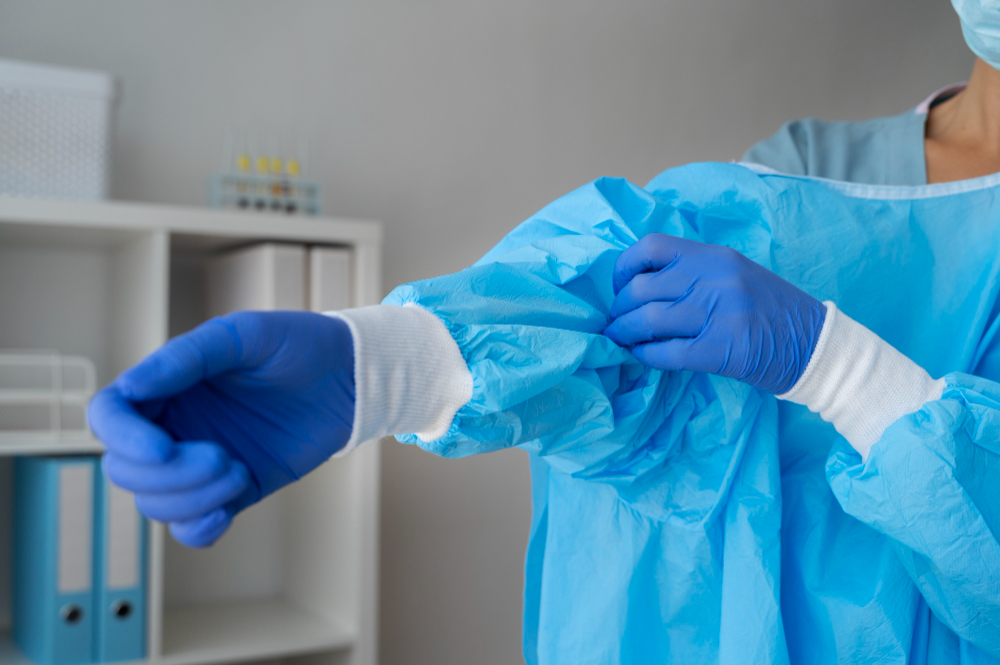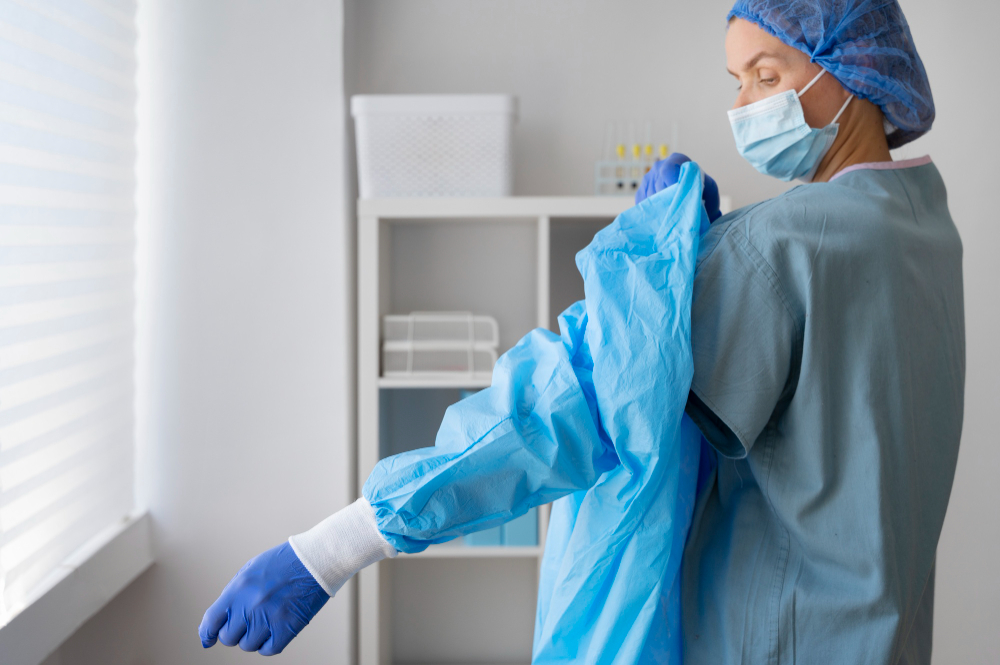
When you think about surgery, you probably picture surgeons, scalpels, and bright lights. But behind every successful operation is something far less glamorous yet essential: surgical drapes. These sterile barriers quietly protect patients from dangerous infections while providing surgeons with a clean, controlled workspace.
Along with items like a hospital gown and a gauze sponge, surgical drapes form the foundation of infection control in any operating room. Without them, even the most skilled surgeon would be working in a risky environment. Let’s explore why these simple-looking sheets play such a decisive role in modern medicine.
What Are Surgical Drapes?
Surgical drapes are sterile sheets designed to cover a patient and the surrounding surfaces during a medical procedure. Their main job is to isolate the surgical site from non-sterile areas, preventing bacteria, viruses, and other contaminants from entering an open wound.
They work with other sterile supplies, such as gloves, a hospital gown, and a gauze sponge, to create a safe surgical environment.
Why Is a Sterile Operating Room So Important?
An operating room must be one of the cleanest places in the world. Once a patient’s skin is cut, the patient’s body becomes vulnerable to infection. Even a tiny amount of bacteria can lead to complications such as:
- Surgical site infections
- Delayed healing
- Longer hospital stays
- Additional surgeries
Surgical drapes help prevent these problems by isolating the surgical field and maintaining a clean environment.
How Surgical Drapes Create a Sterile Field
A sterile field is a controlled area where only sterilized items are allowed. Surgical drapes define and protect this space.
Think of them like a protective fence around a garden. Inside the wall, everything is clean and organized. Outside, the world is full of dirt, germs, and danger. By covering everything except the surgical site, surgical drapes keep that sterile “garden” safe.
What Are Surgical Drapes Made Of?
Modern surgical drapes are made from nonwoven synthetic materials that are:
- Fluid-resistant
- Lint-free
- Strong and tear-resistant
- Breathable yet protective
Unlike regular cloth or a hospital gown, surgical drapes are explicitly designed to block bacteria and fluids. This makes them ideal for surgeries involving blood and other bodily fluids.
How Surgical Drapes Prevent Infection
During surgery, fluids like blood can carry harmful microbes. If these fluids spread, they can contaminate the wound or surgical tools. Surgical drapes act as barriers that:
- Stop fluids from traveling
- Block bacteria and viruses
- Prevent cross-contamination
They work hand in hand with tools such as a gauze sponge, which absorbs fluids at the surgical site, keeping the area clean and visible to the surgeon.
Types of Surgical Drapes
1. Disposable Surgical Drapes
These are used once and thrown away. They offer maximum sterility and are widely used in hospitals.
2. Reusable Surgical Drapes
These are made from woven fabrics that can be washed and sterilized multiple times.
3. Procedure-Specific Drapes
Some surgeries need drapes with special openings or adhesive edges for better coverage and control.
Each type is designed to support safety, just like a hospital gown protects both the patient and medical staff.
Surgical Drapes vs. Ordinary Fabric
Why not use standard cloth?
The answer is simple. Regular fabric absorbs fluids and allows bacteria to pass through. Surgical drapes, on the other hand, are engineered to resist moisture and microbes.
Using ordinary cloth in surgery would be like wearing a cotton shirt in the rain—you’ll get soaked, and so will everything underneath.
How Surgical Drapes Support the Surgical Team
Surgical drapes don’t just protect patients. They also make life easier for doctors and nurses by:
- Providing a clean workspace
- Reducing cleanup time
- Organizing surgical tools
- Improving visibility
With tools such as a gauze sponge and sterile instruments draped on the patient, surgeons can work faster and more efficiently.
The Role of Surgical Drapes Alongside Hospital Gowns
A hospital gown protects the patient’s body and allows easy access for treatment. Surgical drapes take that protection even further by completely sealing off the surgical site.
Together, hospital gowns and surgical drapes create a complete protective system that keeps patients safe before, during, and after surgery.
Medical Standards and Quality Control
All surgical drapes must meet strict medical standards. They are tested for:
- Fluid resistance
- Bacterial filtration
- Tear strength
- Cleanliness
This ensures that every drape used in surgery provides reliable protection.
What Happens When Surgical Drapes Are Not Used Properly?
Poor-quality or improperly placed drapes can lead to:
- Higher infection risk
- Contaminated surgical tools
- Increased patient complications
That’s why hospitals carefully train staff to use surgical drapes, hospital gowns, and gauze sponges correctly.
Environmental Considerations
Today, many hospitals use eco-friendly disposable drapes or reusable options that reduce waste while maintaining safety.
Innovation is making surgical drapes both safer and greener.
The Future of Surgical Drapes
Advanced materials, antimicrobial coatings, and more innovative designs are shaping the next generation of surgical drapes. They will become even more effective at blocking bacteria and managing fluids, making surgeries safer than ever.
Conclusion
Surgical drapes are a silent but powerful force in the operating room. They protect patients from infection, support surgeons, and maintain the sterile environment required for successful surgery. Alongside essential items such as a hospital gown and a gauze sponge, surgical drapes ensure modern medicine remains safe, clean, and reliable.
They may look simple, but their impact is enormous.
FAQs
What are surgical drapes used for?
Surgical drapes are used to create a sterile barrier around the surgical area and prevent infection.
Are surgical drapes different from hospital gowns?
Yes. A hospital gown covers the patient, while surgical drapes isolate the surgical site.
Do surgical drapes stop bacteria?
Yes, they are designed to block bacteria, viruses, and fluids.
How does a gauze sponge work with surgical drapes?
A gauze sponge absorbs blood and other fluids, while surgical drapes prevent their spread.
Can surgical drapes be reused?
Some types can be sterilized and reused, while others are disposable.