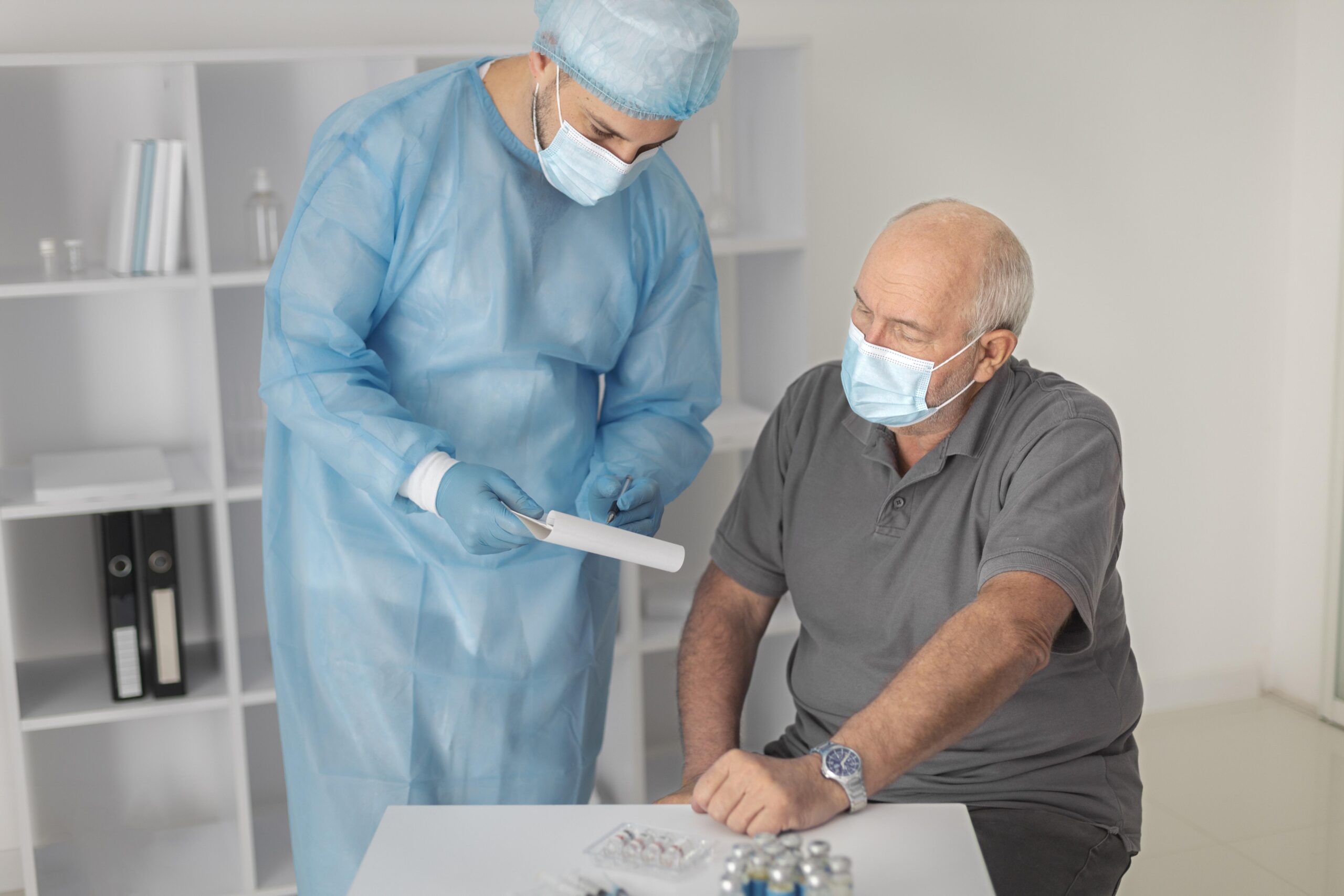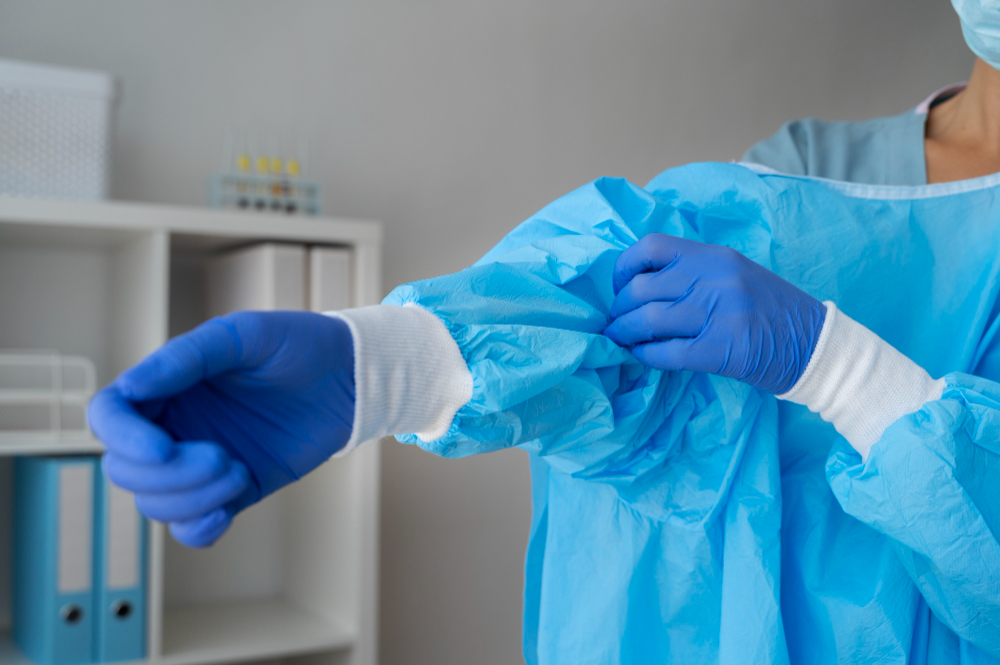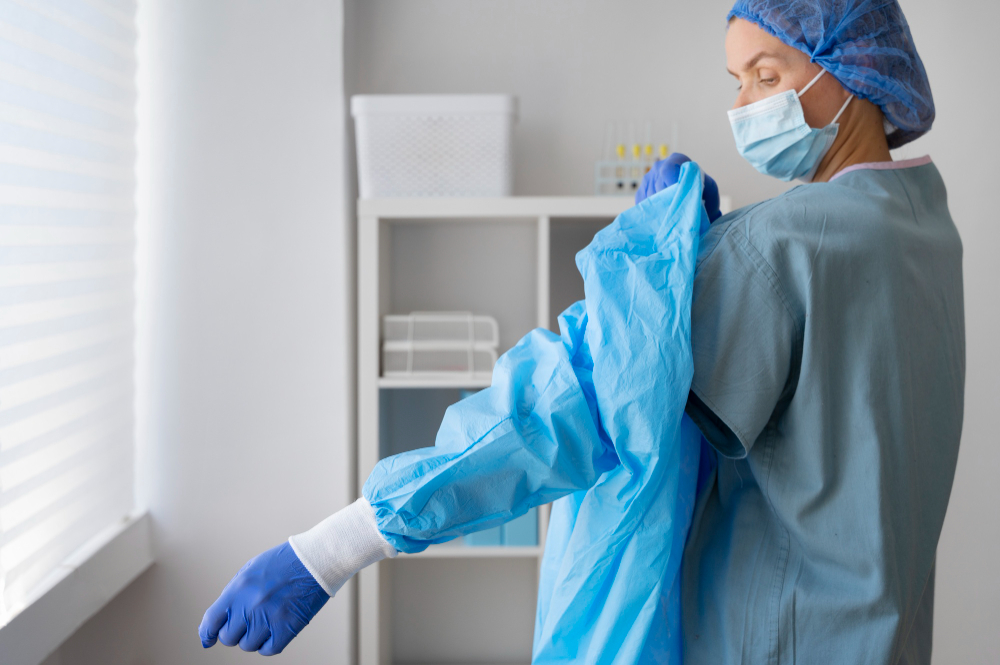
Surgical drapes are specialized, sterile coverings used in surgeries to create a barrier between the patient and the surrounding environment. Their primary purpose is to cover the patient’s body, surgical equipment, and other surfaces in the operating room that do not need to be exposed during the procedure. This ensures that the only exposed area is the surgical site, which reduces the risk of contamination and infection.
Why Are Sterile Surgical Drapes Necessary?
The importance of maintaining sterility in the operating room cannot be overstated. Without a sterile field, harmful microorganisms—like bacteria or viruses—can easily enter the patient’s body, leading to infections that could complicate the recovery process or even result in life-threatening conditions. Sterile surgical drapes play a key role in maintaining that sterile environment by acting as a barrier between the surgical site and potentially harmful pathogens.
Different Types of Surgical Drapes
A variety of surgical drapes are used in different types of surgeries. Some are designed for single-use, while others are reusable. Understanding the differences between them is essential to ensure the correct drapes are used for each procedure.
Disposable Surgical Drapes
Disposable surgical drapes are the most commonly used type in modern surgeries. Made from lightweight, breathable materials, these drapes are used once and discarded after the surgery. Their single-use nature ensures that there is no risk of cross-contamination between patients. They are particularly useful in situations where rapid turnover between surgeries is necessary, or when the surgery requires a sterile, contamination-free environment.
Reusable Surgical Drapes
Unlike disposable drapes, reusable surgical drapes are designed to withstand multiple uses. Typically made from durable materials like polyester or cotton, these drapes can be washed and sterilized after each use, making them a more environmentally friendly option. However, they require meticulous cleaning and sterilization to maintain their effectiveness.
Specialized Surgical Drapes
Some surgeries require specialized drapes designed for specific procedures. For example, orthopedic surgeries may need drapes with an opening to provide access to the surgery site. Similarly, for gynecological surgeries, drapes are tailored to cover only the necessary areas while leaving others exposed. These specialized drapes ensure that the correct areas are covered, maintaining a sterile environment while giving the surgical team the access they need.
How Do Surgical Drapes Prevent Infection?
Surgical drapes are designed with the primary purpose of preventing infection. But how exactly do they work to keep the surgical site sterile?
Providing a Barrier to Pathogens
The most important role of sterile surgical drapes is to act as a physical barrier against pathogens. These microorganisms are present in the air, on the patient’s skin, and on the operating team’s clothing. By covering the surgical site and surrounding areas, drapes prevent these pathogens from making contact with the patient’s open wounds or surgical incisions.
Controlling Fluids and Contamination
During surgeries, blood, bodily fluids, and other contaminants can be released. Disposable surgical drapes are designed to absorb these fluids, preventing them from spreading to non-sterile areas. This is particularly important in surgeries where large amounts of fluid are involved, like in abdominal or cardiac procedures. By containing these fluids, the drapes help maintain the sterile surgical field.
Maintaining a Controlled Environment
Surgical drapes also help maintain the overall controlled environment necessary for surgery. They prevent any foreign objects from entering the sterile area, reducing the risk of contamination from surgical instruments or tools that could carry pathogens. By keeping the sterile area isolated from external elements, surgical drapes contribute significantly to the overall safety and success of the surgery.
How Are Surgical Drapes Used in the Operating Room?
The process of applying sterile surgical drapes is a critical step in preparing for surgery. Here’s how they are typically used:
Pre-Procedure Patient Preparation
Before the drapes are applied, the patient is thoroughly cleaned with antiseptic solutions to minimize the number of bacteria present on the skin. This is an important step, as even the smallest amount of bacteria can cause an infection during surgery.
Draping the Patient
Once the patient is positioned on the operating table, the surgical team carefully applies the surgical drapes. These drapes are placed in a way that covers the patient’s body, exposing only the area where the surgery will take place. The drapes are secured with adhesive strips or clamps to ensure they stay in place during the procedure.
Ensuring a Sterile Field
Throughout the surgery, the surgical team must be mindful of maintaining the sterile field. They must avoid touching any non-sterile surfaces, and the drapes are regularly checked to ensure they remain intact and effective in preventing contamination.
Post-Procedure Clean-Up
After the surgery is complete, the disposable surgical drapes are carefully removed and discarded, while reusable drapes are taken for washing and sterilization. This ensures that no contamination remains on the surgical site or the surrounding areas.
Materials Used for Surgical Drapes
The material used in surgical drapes plays a significant role in their effectiveness. Some of the common materials include:
Polypropylene
Polypropylene is commonly used in disposable surgical drapes due to its lightweight nature and effectiveness in preventing contamination. It is cost-effective and ideal for single-use surgeries.
Polyester and Cotton
Reinforced with polyester or cotton, reusable surgical drapes are more durable and designed to withstand multiple washings and sterilizations. These materials are more comfortable for the patient, but they require more maintenance to ensure they remain sterile.
Laminated Fabrics
Laminated fabrics, made by bonding materials like polyester and polyethylene, are used in disposable surgical drapes to enhance fluid resistance and improve the drape’s protective properties.
Why Are Surgical Drapes So Important in Infection Control?
Surgical Site Infections (SSIs) are one of the most common complications in surgery. They can lead to longer recovery times, extended hospital stays, and even death in severe cases. Surgical drapes are an essential tool in preventing SSIs by maintaining a sterile environment and minimizing the risk of pathogen transmission.
Reducing Pathogen Transmission
By covering the patient, surgical instruments, and other surfaces in the operating room, sterile surgical drapes prevent the transfer of harmful bacteria or viruses from the surrounding environment to the surgical site. This drastically reduces the risk of infections.
Airborne Contamination Protection
Operating rooms are equipped with high-efficiency air filtration systems, but airborne particles can still pose a risk to the sterile field. Surgical drapes help shield the patient from airborne contamination by preventing any exposure to these particles.
Conclusion
In summary, surgical drapes are crucial in maintaining sterility during surgery and preventing infections. Whether disposable or reusable, these drapes form a vital barrier between the patient and the environment, ensuring that the surgical site remains free from harmful pathogens. The proper use of sterile surgical drapes helps to reduce the risk of infection and improve the overall success and safety of surgical procedures.
FAQs
What are surgical drapes made of?
Surgical drapes are made from materials like polypropylene, polyester, cotton, or laminated fabrics, depending on whether they are disposable or reusable.
Why are disposable surgical drapes used?
They prevent cross-contamination, are lightweight, cost-effective, and ensure a sterile field.
Can surgical drapes be reused?
Yes, some are made from durable materials like polyester and are sterilized for reuse.
How do surgical drapes protect the patient?
They create a sterile field, covering the patient and preventing infections.
Are surgical drapes required for all surgeries?
Yes, they are essential in nearly all surgeries to maintain a sterile environment.