When a patient enters an operating room, they are stepping into one of the most carefully controlled environments in the world. Why? Because their bodies are about to be opened, they are highly vulnerable to infection. To protect them, hospitals rely on a powerful system called infection control. And while technology and medical skill play a role, some of the most essential tools are surprisingly simple: surgical drapes, a hospital gown, and a gauze sponge.
These everyday medical items quietly form a barrier between a patient and harmful bacteria. Without them, modern surgery would be hazardous. Let’s explore how infection control is maintained in the operating room and why these items matter so much.
What Is Infection Control in the Operating Room?
Infection control is the set of rules, tools, and procedures used to prevent germs from entering a patient’s body during surgery. It includes:
- Clean air
- Sterile instruments
- Trained medical staff
- Protective clothing
- Barrier systems such as surgical drapes
The goal is simple: keep bacteria, viruses, and fungi away from open wounds.
Why Is Infection Control So Important?
When the skin is cut, the body’s natural defences are compromised. Bacteria can easily enter and cause:
- Surgical site infections
- Delayed healing
- Severe illness
- Life-threatening complications
This is why every detail in the operating room, from the hospital gown to the gauze sponge, is carefully chosen to reduce risk.
How Surgical Drapes Protect the Patient
Surgical drapes are sterile sheets placed over the patient and nearby surfaces. Only the area where the surgery is happening is left exposed.
They help by:
- Blocking bacteria from the skin
- Preventing fluid spread
- Protecting surgical tools
- Creating a sterile field
Without surgical drapes, germs from the patient’s own body could contaminate the wound.
What Role Does the Hospital Gown Play?
A hospital gown is worn to keep the patient clean and accessible. It also prevents bacteria from everyday clothing from entering the operating room.
Together, a hospital gown and surgical drapes form a layered defense against infection.
Why a Gauze Sponge Is Essential
A gauze sponge is used during surgery to absorb blood, clean the surgical site, and maintain visibility of the surgical area.
Blood and fluids can carry bacteria. The gauze sponge removes them before they can spread, supporting the protection provided by surgical drapes.
How the Operating Room Air Is Controlled
Special ventilation systems filter the air, removing bacteria and dust. Clean air flows downward over the surgical site, displacing contaminated air.
This keeps airborne germs away from open wounds.
Sterilization of Surgical Tools
Every instrument used in surgery is cleaned and sterilized using heat, steam, or chemicals. Nothing enters the operating room unless it is completely germ-free.
Hand Hygiene and Protective Gear
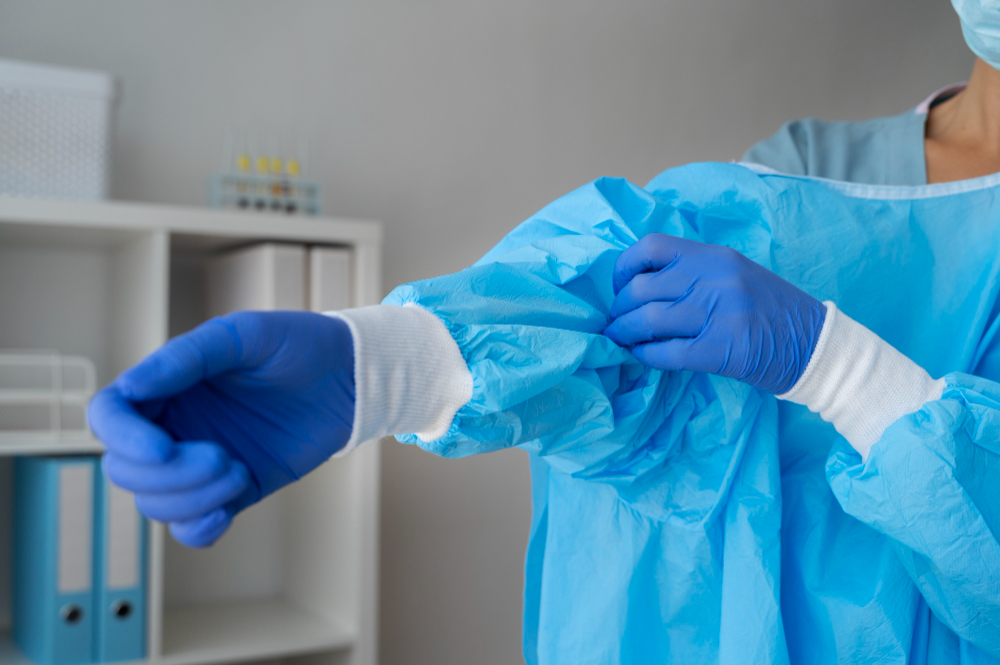
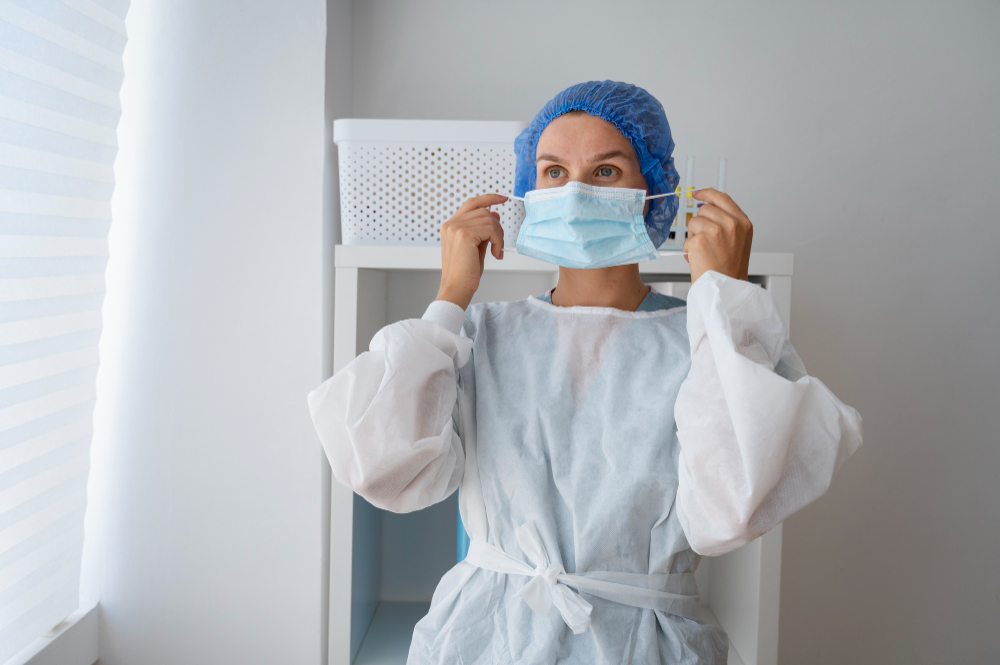
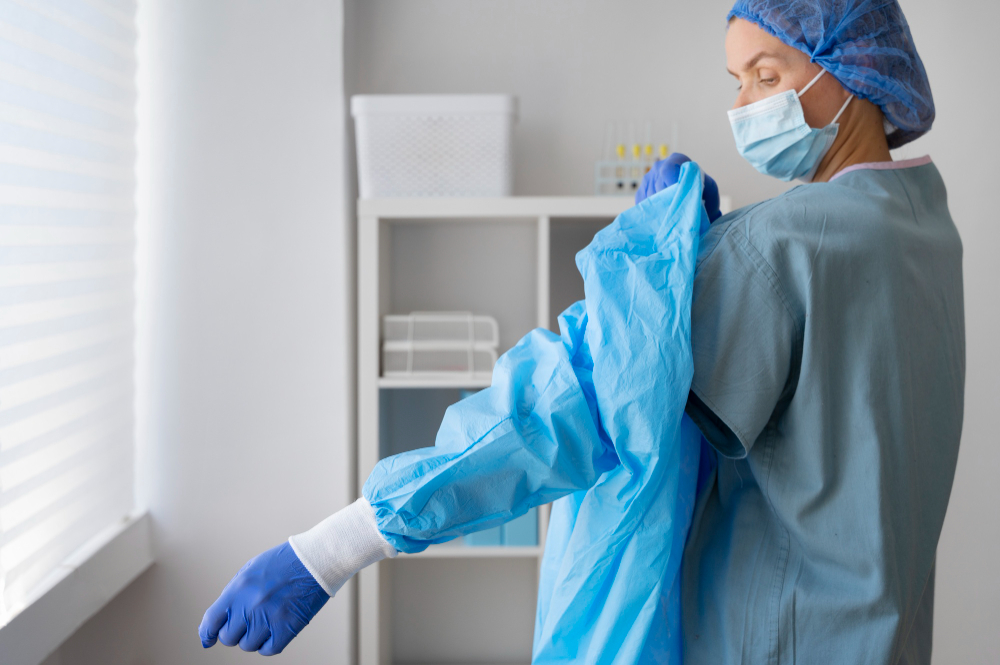
Doctors and nurses scrub their hands thoroughly before surgery. They also wear gloves, masks, face shields, and sterile gowns to prevent the spread of bacteria.
Patient Preparation Before Surgery
The patient’s skin is cleaned with an antiseptic. A hospital gown is worn to reduce contamination, and sterile surgical drapes are applied before the first cut.
Cleaning and Disinfection
After every surgery, all surfaces, tables, and equipment are cleaned with powerful disinfectants. This ensures the next patient enters a safe environment.
Waste and Biohazard Control
Used gloves, gauze sponges, and drapes are disposed of in special containers. This prevents bacteria from spreading after surgery.
Why Surgical Drapes Are Better Than Regular Fabric
Regular cloth absorbs fluid and allows bacteria to pass through. Surgical drapes are designed to block both, making them far safer for surgery.
Staff Training and Compliance
Every operating room worker is trained in infection control. They follow strict rules to keep patients safe.
The Future of Infection Control
New materials, antimicrobial fabrics, and innovative technologies are making surgical drapes, hospital gowns, and surgical tools even safer.
Conclusion
Infection control in the operating room is a life-saving system built on layers of protection. Surgical drapes isolate the surgical site, a hospital gown prevents contamination, and a gauze sponge keeps the area clean and dry. Together, they create a safe environment where healing can begin.
FAQs
Why are surgical drapes substantial?
They block bacteria and fluids from reaching the surgical site.
What is the purpose of a hospital gown?
It keeps the patient clean and reduces the spread of germs.
What does a gauze sponge do?
It absorbs blood and cleans the wound during surgery.
How do doctors prevent infection in surgery?
By using sterile tools, protective clothing, and barrier systems.
Are surgical drapes disposable?
Some are disposable, while others are sterilized and reused.